MRF Universal 3.0 Card Multitool Packs 60-Plus Functions Into Wallet-Flat Form
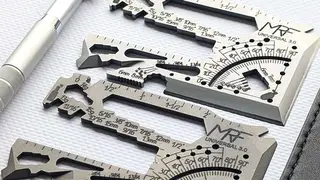
The MRF Universal 3.0 is a flat metal card measuring 85 × 54 × 2mm that combines dozens of practical functions including metric and imperial wrenches, screwdriver edges, cutting implements, measuring scales, and survival-oriented features like a compass and fire-starter striker. Available in Grade 5 titanium at 28 grams or hardened 440C stainless steel at 42 grams, the card is designed for light improvised work rather than heavy-duty tasks or jobs requiring substantial leverage. Priced at $47.95, it functions as a supplemental tool template rather than a complete replacement for conventional multitools.
The MRF Universal 3.0 represents a design philosophy that prioritizes portability over power. By distributing multiple tool functions across a single flat card rather than stacking them into a traditional multitool body, the device trades the leverage and grip advantages of conventional tools for wallet-compatible dimensions. The titanium and stainless steel variants allow users to choose between lighter everyday carry or greater material hardness, though both versions remain constrained by their inherent form factor when applied to demanding tasks.
The card's practical applications center on preparedness for minor, unexpected situations rather than planned repairs. Functions like the ferrocerium rod striker require supplementary equipment, while wrench openings and screwdriver edges lack the mechanical advantage needed for stubborn fasteners. This distinction between claimed features and genuine utility highlights the importance of understanding that the 60+ functions represent potential uses rather than independent, full-capability tools.
The ultracompact multitool category may appeal to minimalist travelers, outdoor enthusiasts managing pack weight, and professionals seeking discrete backup equipment. However, the gap between feature count and practical effectiveness could shape purchasing expectations—consumers might overestimate capability based on marketing claims rather than the card's actual performance constraints. This segment could influence how manufacturers describe tool functionality in subsequent designs, potentially encouraging more honest feature presentation versus inflated function counts.