New Investigation Examines Structural Factors Behind Migration Deaths on Polish-Belarusian Border
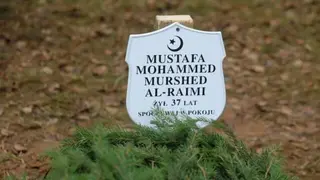
A forensic architecture study examining 102 documented deaths in the Polish-Belarusian border region argues that state policies and enforcement practices deliberately exposed migrants to life-threatening conditions rather than environmental factors alone being responsible. Researchers analyzed testimonies, medical records, and spatial data to demonstrate how infrastructure and border procedures created lethal circumstances. Polish authorities dispute the report's conclusions regarding responsibility for migrant deaths since 2021.
The investigation applies forensic architecture—a research methodology originally developed to analyze satellite imagery and spatial reconstruction of conflict zones—to examine deaths along Europe's eastern frontier. By cross-referencing testimonies, medical documentation, and geographical data, researchers documented 102 confirmed fatalities and identified 214 additional reports of potential disappearances. The study contends that migrants face successive layers of harm: physical violence from enforcement officials, injuries from border barriers, and extended exposure to harsh environmental conditions in remote forest areas.
The report argues that extended stays in the borderlands result from repeated cycles of interception and return, forcing individuals to seek refuge deeper within dense forests and wetland areas. Researchers distinguish between the immediate cause of death—such as hypothermia or drowning—and the systemic conditions that placed individuals in lethal environments. Polish government officials have contested the investigation's framing of state responsibility in these cases.
This investigation may influence how European policymakers, human rights bodies, and courts evaluate responsibility for migrant deaths at external borders. If the forensic findings gain traction among advocacy groups or judicial authorities, they could reshape discussions about border enforcement liability across the EU. The study potentially affects migrants' families seeking accountability, Polish domestic political debate, and bilateral relations with Belarus. However, Polish authorities' rejection suggests the report's policy influence remains contested.