Banana Supply Chain Faces Mounting Pressure From Climate, Disease, and Rising Costs
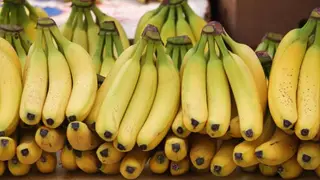
The U.S. banana supply chain confronts unprecedented pressures as growers across Latin America struggle with extreme weather events, emerging plant diseases, elevated production and transportation expenses, and water scarcity. Production challenges in Ecuador, Costa Rica, Guatemala, Colombia, Honduras, Peru, Mexico and other key regions threaten the reliable banana availability American consumers expect. Environmental concerns compound the difficulties facing an industry that supplies the nation's most consumed fruit.
The banana industry confronts a convergence of environmental and economic obstacles across its primary production regions. Climate volatility, particularly the anticipated strong El Niño pattern through early 2027, threatens to create divergent impacts—flooding in some areas while triggering drought conditions elsewhere. Latin American growers simultaneously battle fungal infections like Black Sigatoka and the more devastating Fusarium Tropical Race 4, which destroys plants at the soil level and requires substantial investment in disease management and crop resistance research.
Input costs have risen sharply this year across essential materials including fertilizers, packaging, and transportation fuels. These compounding pressures affect the entire supply network required to move tropical fruit from harvest through thousands of miles of transportation to retail shelves.
Banana supply disruptions could increase retail prices for American consumers, potentially affecting low-income households that depend on affordable produce options. Producers across Central and South America may face reduced profitability or production cutbacks, affecting agricultural employment and regional economies. The industry's challenges may also accelerate investment in disease-resistant banana varieties and climate adaptation strategies, potentially reshaping how the crop is grown and distributed globally over coming years.