Fresh Produce Emerges as Major Driver of Online Grocery Shopping Growth
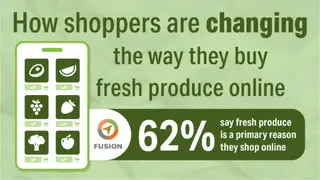
A study by Fusion found that 62 percent of online grocery shoppers identify fresh produce as a primary reason for purchasing groceries through digital channels, marking a significant shift in e-commerce adoption. Historically, concerns about freshness, product damage, and quality selection have deterred consumers from buying produce online. The growing consumer confidence in online produce availability suggests the category is overcoming longstanding barriers to digital retail adoption.
The research reveals a significant transformation in consumer behavior around digital produce purchasing. Historically, fresh produce represented a major obstacle to e-grocery adoption due to quality control uncertainties and the preference for hand-selecting items. The data demonstrates this perception has shifted substantially, with nearly all online grocery shoppers now routinely including produce in their digital orders, suggesting the category has transitioned from a reluctant compromise to an expected service offering.
Retailers investing in improved packaging and supply chain transparency appear to be driving this confidence shift. The high satisfaction rates and growing trust metrics indicate that operational improvements in handling and delivery logistics are effectively addressing longstanding consumer concerns. The convenience factor—with over half of shoppers citing time savings—provides additional momentum for continued online produce adoption across the e-grocery sector.
This trend could reshape how consumers access fresh food and influence retail infrastructure investment decisions. Improved online produce delivery may benefit time-constrained shoppers and potentially expand food access in underserved areas. However, the shift could also affect traditional produce retailers and farm-to-market supply chains, requiring adaptation to direct-to-consumer models. The environmental impact remains uncertain, depending on whether consolidated deliveries reduce overall transportation emissions or increase them through last-mile logistics.