States Consider Regulatory Crackdowns on Kratom as Overdose Cases Mount
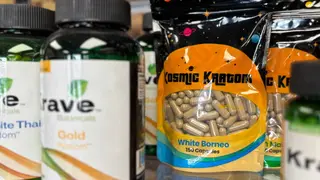
Legislators in several states, including Montana, are pursuing bans on kratom, an unregulated herbal substance derived from a Southeast Asian plant that is sold at convenience stores and tobacco shops, following reports of overdose deaths. Approximately 24 million Americans use kratom, which can function as either a stimulant or sedative depending on dosage, and its popularity grew after 2004 as some used it to address opioid addiction. The American Kratom Association argues that regulation rather than prohibition is the appropriate response, contending that chemically altered or contaminated products may be responsible for some reported harms attributed to natural kratom.
Kratom's trajectory in America reflects shifting patterns around substance use and regulation. The plant entered the U.S. market in the early 2000s and gained traction among individuals seeking alternatives to opioid medications. A significant turning point occurred around 2015 when chemically modified versions emerged, containing concentrated levels of alkaloids far exceeding those found in the natural leaf. These altered products carry substantially higher risks, with some compounds demonstrating potency comparable to prescription opioids.
The regulatory landscape remains fragmented across states, creating inconsistency in availability and product safety standards. Pricing structures vary widely depending on product type and concentration level, with synthetic variants commanding premium prices. Deaths involving kratom have mounted substantially—Montana documented 45 kratom-involved fatalities over six years, though determining kratom's precise causal role proves complicated when multiple substances appear in toxicology results. The frequency of poison control calls has escalated dramatically, signaling growing public health concern.
Policy decisions regarding kratom could reshape access for millions of current users while potentially affecting public health outcomes in opposing ways. A ban might prevent overdose deaths attributed to synthetic versions but could eliminate options for individuals managing chronic pain or supporting addiction recovery. Conversely, regulatory frameworks rather than prohibition might reduce harms from contaminated or chemically altered products while preserving consumer choice. States adopting different approaches will likely provide evidence about regulatory effectiveness and consequences across both health and enforcement dimensions.