Rescue Efforts Stall for Bronze Whaler Shark Stranded in South Korean Canal
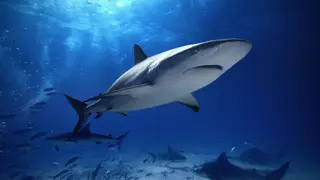
A 3.5-meter bronze whaler shark trapped in a narrow canal at Busan's North Port since September 18 has attracted over 600,000 visitors while authorities struggle with rescue operations. An initial rescue attempt on September 29 using water pumps and foam to guide the shark toward open water was unsuccessful as the animal repeatedly avoided the streams. Officials plan a second rescue attempt on October 2 using custom-made nets if water-based methods continue to fail, as wildlife experts warn that prolonged confinement could weaken the shark's stamina.
The bronze whaler shark's arrival in Busan's North Port canal likely resulted from the animal pursuing food sources into the waterway, unable to navigate back out through the narrow passage. Water temperature shifts in surrounding seas have been pushing fish populations northward, drawing predatory species in their wake. Officials face mounting pressure to resolve the situation quickly, as the shark's confined space restricts both feeding and movement, potentially compromising its physical condition over time.
The incident has unexpectedly transformed a routine port area into a major visitor destination, drawing over 600,000 people in just ten days. The city capitalized on the phenomenon by granting the shark honorary ambassador status and the social media-friendly designation "Shafluencer," generating widespread engagement. However, this attention overshadows broader environmental questions about why marine species are increasingly appearing in unexpected coastal locations.
The stranded shark may serve as a visible indicator of shifting ocean ecosystems, potentially raising public awareness about marine habitat changes. However, the spectacle surrounding the animal could distract from substantive discussion about environmental factors driving such incidents. Wildlife experts and conservation groups worry that treating the shark as entertainment rather than a conservation concern might diminish opportunities for meaningful dialogue about ocean health and climate impacts on marine migration patterns.