Mexico City Venue Creates Immersive Soundscape Experience Through Minimalist Design
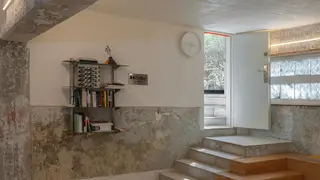
Sona, a new listening establishment in Mexico City's Condesa neighborhood, invites visitors to engage in deep, conscious listening rather than passive music consumption. Designed by Épico Estudio and Panorama, the space draws inspiration from early-20th-century Japanese listening cafés and compositional theories of deep listening, featuring curated audio experiences complemented by tea service and sensory design elements. The semi-basement venue uses raw concrete walls, sculptural speakers, and carefully calibrated lighting to create an immersive environment free from alcoholic beverages and focused entirely on sound.
Sona represents a deliberate departure from conventional entertainment venues by eliminating alcohol service entirely and repositioning the space around auditory engagement. The venue's three-zone layout—entry threshold, tea service area, and dedicated listening chamber—creates a progressive transition that prepares visitors psychologically for focused sound immersion. The design team sourced tea service and furnishings from Japanese and Mexican artisans to reinforce the contemplative atmosphere.
The acoustic infrastructure employs sophisticated multi-functional wall panels engineered by specialized acousticians, each designed to manipulate sound differently while maintaining visual uniformity. The listening room integrates spatial audio technology with analog equipment and synchronized color-changing ceiling lighting, creating a coordinated sensory environment where visual and auditory elements work in concert rather than competition.
Sona may signal growing consumer interest in mindfulness-oriented leisure activities that prioritize sensory depth over social intoxication. Such venues could influence how hospitality designers approach immersive experiences, particularly in urban centers where sensory overstimulation is endemic. The model may appeal to audiences seeking alternatives to conventional nightlife while potentially creating new professional demand for acoustic design expertise and curated sound programming. However, the venue's specialized nature and premium positioning may limit its broader cultural impact to affluent, design-conscious demographics.