Imagination Technologies Unveils E-Series GPU Architecture for Unified Graphics and AI Processing
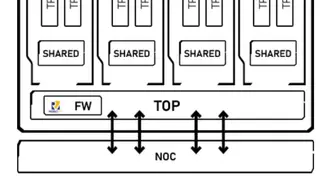
Imagination Technologies introduced E-Series GPU IP that integrates graphics, compute, and AI workloads on a single flexible architecture with up to 32 TOPS Int8 per core at 1GHz, four times the performance of its D-Series predecessor. The unified platform enables concurrent execution of graphics and AI tasks while maintaining a single programmable software stack, simplifying edge system design. First silicon implementation is expected by the end of 2026.
Imagination Technologies' E-Series represents a shift in GPU design philosophy by consolidating previously separate processing functions into a single programmable platform. The architecture achieves a fourfold improvement in raw computational throughput compared to its predecessor, reaching 32 TOPS Int8 per core at 1GHz. A key innovation is the ability to execute graphics rendering and AI inference simultaneously without requiring separate software frameworks, which could streamline development cycles for edge device manufacturers.
The technology targets the expanding intersection of visual computing and machine learning at the device level. Rather than forcing engineers to choose between dedicated graphics and AI processors, the unified approach allows dynamic resource allocation based on real-time workload demands, potentially reducing power consumption and physical chip area in consumer electronics, automotive systems, and IoT applications.
The E-Series announcement could influence how consumer devices balance graphics performance with on-device AI capabilities, potentially accelerating adoption of local AI features in smartphones, tablets, and automotive displays. Manufacturers may benefit from simplified hardware design and reduced engineering complexity. The technology's efficiency gains could extend battery life in mobile devices while enabling more sophisticated real-time visual effects and AI processing. However, widespread adoption depends on market readiness and competitive positioning against alternative architectures from other semiconductor vendors.