Republican Senator Blocks Democratic AI Safety Legislation in Senate
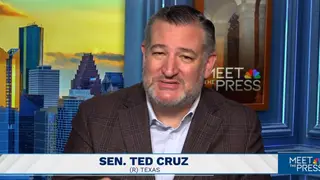
Democratic senators Mark Warner, Brian Schatz, and Andy Kim attempted to pass their Artificial Intelligence Risk Management and Security Act using a unanimous consent procedure, but Senator Ted Cruz objected to the measure on the Senate floor. The blocked legislation would have established safety protocols for artificial intelligence development. Warner had argued the international community recognizes the urgency of implementing AI safety measures before further progress in the technology.
Three Democratic senators from different regions of the country collaborated on legislation designed to establish regulatory frameworks for artificial intelligence development before the technology advances further. The group chose to employ a Senate procedural shortcut that enables rapid passage when all members consent, a strategy that requires unanimous agreement to succeed.
Senator Cruz's objection represents a significant procedural hurdle, as a single senator's opposition is sufficient to block consideration under this mechanism. The disagreement reflects a broader divide within Congress regarding the appropriate pace and scope of AI regulation.
The blocked legislation could have affected how technology companies approach AI development and deployment in the United States. If enacted, the safety protocols may have influenced industry practices and potentially shaped how American firms compete internationally in the AI sector. The outcome suggests ongoing disagreement between lawmakers over regulatory priorities, which could influence future legislative attempts and the timeline for establishing federal AI oversight standards.