Record congressional candidate participation marks 2026 primary season
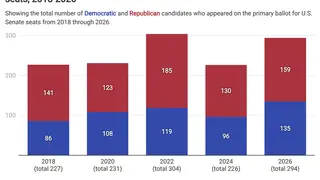
More than 17,200 major party candidates competed in 2026 primary elections for federal and state positions, representing a significant increase from previous election cycles. U.S. House races attracted the highest number of major party candidates in eight years, with 2,260 candidates seeking the 435 available seats. State legislative contests drew the largest share of candidates, with over 13,000 competing for roughly 6,100 state house and senate positions.
The 2026 primary season reflected heightened electoral engagement across multiple levels of office. Congressional races saw particularly robust participation, with House contests drawing their strongest candidate field in nearly a decade. The increase was driven by both parties, though Democrats fielded slightly more House candidates than Republicans. State legislative races, which typically attract the largest absolute numbers of candidates due to the sheer volume of available seats, remained relatively stable compared to recent cycles, with modest growth from 2024 levels.
State executive offices showed notably competitive dynamics, with an average of over four candidates competing per available seat—the highest rate since at least 2018. This suggests intensified competition for governorships and other statewide positions. However, state judicial races experienced a significant decline in major party candidate participation year-over-year, indicating potentially different dynamics in how states select judges through primary elections.
Record candidate participation could signal increased grassroots political engagement and stronger competition in numerous races, potentially affecting voter choice and campaign resource allocation. Higher candidate numbers may lead to more competitive general elections and could influence which candidates emerge from primaries with stronger mandates. However, larger fields might also fragment voting bases, potentially benefiting frontrunners or well-funded candidates. The trends could affect voter turnout and engagement patterns, though whether record participation translates to meaningful policy shifts or governance changes remains uncertain and may vary significantly across different races and jurisdictions.