Used Electric Vehicles Hold Value Better Than Leasing Industry Estimates Suggest
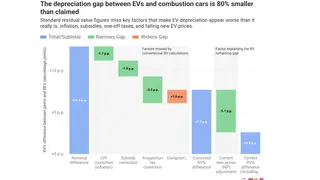
A Transport & Environment study reveals that electric vehicles retain value more effectively than the leasing industry's depreciation calculations indicate, with adjustments for subsidies and other factors reducing the value gap between electric and conventional vehicles from 12.9 to 2.6 percentage points. Industry depreciation estimates fail to account for purchase subsidies, acquisition taxes, inflation, and fleet composition changes that significantly affect the true resale value of electric cars. More accurate valuation could encourage leasing companies and automakers to expand electric vehicle offerings while benefiting consumers through fairer lease pricing.
The valuation gap between electric and conventional vehicles has been significantly overstated by the leasing industry, according to Transport & Environment's analysis of transactions across Germany, France, Italy, and Spain. When five critical variables are incorporated into depreciation calculations—including the effect of purchase subsidies that lower EV prices, acquisition taxes that raise combustion car costs, inflation adjustments, shifts in fleet composition, and declining new EV prices—the apparent 12.9 percentage point depreciation disadvantage shrinks to just 2.6 points. This recalibration suggests that current leasing agreements may be pricing electric vehicles unfairly high relative to their actual market performance.
The research indicates that EV depreciation volatility has aligned with conventional vehicle patterns throughout 2025, contradicting assumptions of exceptional value loss. Recent market signals reinforce this stability: used EV sales surged 64 percent year-over-year in Germany during early 2026, while Irish used EV values climbed nearly twice as fast as petrol and diesel vehicles following fuel price increases tied to geopolitical disruptions.
More accurate depreciation models could reshape how leasing companies, manufacturers, and policymakers approach vehicle electrification. Fairer lease pricing may make electric vehicles more accessible to cost-conscious consumers, potentially accelerating adoption among middle-income buyers who rely on leasing rather than purchase. Simultaneously, corrected valuations may influence corporate fleet decisions, as accurate residual values affect total cost of ownership calculations. Governments considering electrification mandates could view more favorable EV economics as reinforcement for regulatory approaches, though implementation depends on whether industry practices actually adjust to reflect these findings.