Illinois Governor's Transformation Raises Questions About Candidate Image in Modern Politics
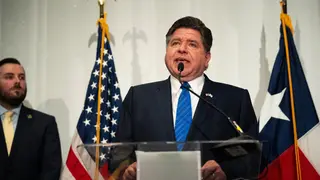
Illinois Governor J.B. Pritzker, a potential 2028 presidential candidate, has publicly disclosed losing 80 pounds through use of a GLP-1 medication to manage his diabetes, an effort he framed as health-driven rather than politically motivated. His noticeable physical transformation has reignited discussion about how voters evaluate presidential candidates based on appearance, health, and perceived vitality, particularly following the 2024 election cycle's focus on age and mental acuity. Political observers note that while modern candidates project authenticity through casual presentation, voters still assess candidates' physical fitness to handle the demands of the presidency.
Illinois Governor J.B. Pritzker has become the focal point of a broader conversation about candidate presentation after his substantial weight loss using GLP-1 medication over the past two years. His disclosure came through personal essays and media interviews where he emphasized health management of his diabetes rather than political calculation. The discussion extends beyond Pritzker himself, as other Democratic figures including Senator Elissa Slotkin and Governor Tim Walz have undergone similar physical changes recently, suggesting these transformations reflect a wider trend among potential 2028 candidates.
The visibility of these changes has reactivated debate about how appearance influences voter perception in presidential contests. Democratic strategists acknowledge that physical presentation conveys messages about stamina and capability to voters, who increasingly scrutinize candidates' fitness for office. This scrutiny intensified during the recent election cycle when questions about age and cognitive fitness dominated political discussion, establishing a precedent for evaluating candidates through a lens that includes health markers.
The focus on candidate appearance may influence how voters assess qualifications beyond traditional policy positions, potentially creating pressure on aspiring politicians to manage their physical presentation. This could affect candidate selection processes within parties and influence how campaigns allocate resources toward personal presentation. Additionally, the normalization of health interventions like GLP-1 medications in public discourse may shift expectations about acceptable body standards for elected officials. However, the relationship between appearance and electoral success remains complex, with strategists disagreeing about whether voters prioritize aesthetics or whether other factors ultimately determine outcomes.