Fracking Study Detects Rising Salt Levels in Pennsylvania Groundwater Despite Low Radium
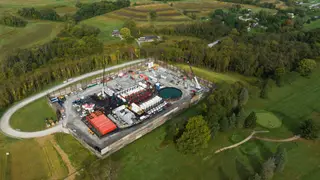
Researchers analyzing shallow aquifers near fracking operations in southwestern Pennsylvania found radium concentrations below regulatory limits, but documented elevated salinity in groundwater samples near extraction sites. The study of 91 private wells revealed limited data within close proximity to active wells, making it difficult to draw comprehensive conclusions about contamination risks in heavily drilled areas. Elevated salt levels, whether from fracking, road treatment, or other industrial sources, pose concerns for water system infrastructure and drinking water quality across the region.
Researchers from Penn State examined private wells across Washington County, a region with intensive natural gas extraction, to assess whether drilling operations have contaminated groundwater with radioactive elements. Although radium measurements stayed within legal safety thresholds, the investigation identified a troubling pattern: salinity levels rose near extraction sites. The research team acknowledged significant limitations, particularly the scarcity of water samples collected immediately adjacent to active drilling operations, which prevented definitive risk assessment in the most heavily developed zones.
Salt accumulation in groundwater presents indirect but serious hazards to water infrastructure and quality. When salinity increases, whether from fracking brine, de-icing road treatments, or other industrial sources, the corrosive effects can degrade pipes and mobilize metals including lead and copper. This secondary contamination pathway potentially exposes well users to hazardous substances, creating a compound problem that transcends the original source of salinity.
The findings may concern Pennsylvania residents dependent on private wells, particularly those living near drilling sites, since routine testing of such wells remains uncommon. The results could inform regulatory discussions about fracking's actual versus perceived risks, though the data limitations suggest further research is needed. For water utilities and property owners, elevated salinity poses practical maintenance challenges regardless of origin. The study illustrates the difficulty of isolating industrial contamination impacts in regions with overlapping pollution sources.