Lawsuit Challenges Fast-Tracked Arizona Mine Approval Despite Documented Threats to Endangered Species
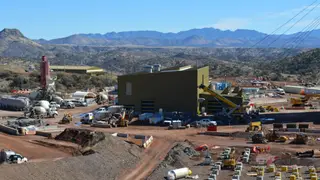
Environmental groups are suing the U.S. Forest Service and Fish and Wildlife Service over the approval of South32's Hermosa mine in Arizona, claiming the expedited permitting process violated federal environmental laws protecting endangered species. Federal regulators approved the mine despite their own environmental review identifying likely adverse impacts to 10 threatened or endangered species including jaguars and Mexican spotted owls, while relying on mitigation measures that have not yet been developed. The lawsuit also alleges inadequate analysis of the mine's effects on local groundwater supplies and community water security.
The Hermosa mine represents a test case for the federal government's FAST-41 program, which streamlines environmental permitting for projects involving critical minerals deemed essential to national interests. South32's project became the first mine approved through this expedited pathway, raising questions about whether compressed timelines can adequately protect environmental and public health concerns. The Patagonia Mountains occupy significant ecological importance as part of Arizona's Sky Islands, a chain of mountain ranges that functions as a crucial migratory corridor connecting northern and southern wildlife populations across 120 miles of terrain.
The lawsuit centers on a fundamental tension in the approval process: federal environmental reviews identified probable harm to 10 species with protected status, yet the agencies proceeded with permits while deferring specific mitigation strategies to future development stages. This disconnect between documented risks and conditional approval forms the core legal challenge, with plaintiffs arguing that adequate environmental safeguards were not in place before authorization.
The case could influence how federal agencies balance infrastructure and resource extraction priorities against conservation requirements. Miners and industry advocates may view the lawsuit as an obstacle to domestic mineral production, while environmental organizations and nearby communities could face either regulatory precedent supporting their protections or accelerated approval of similar projects. The outcome may shape whether future critical minerals development receives heightened environmental scrutiny or streamlined processing, affecting both species habitat preservation and supply chain resilience.