Unprecedented El Niño Breaking Records and Pushing Climate Science Into Uncharted Territory
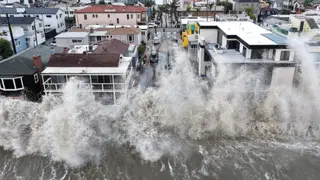
Climate scientists report that a developing El Niño in the Eastern Pacific is reaching unprecedented strength, likely representing the most powerful such event in over 1,000 years, with characteristics so extreme they exceed existing scientific classification systems. Researcher Daniel Swain notes the phenomenon is so far above historical patterns that it cannot be accurately represented on standard measurement scales, prompting warnings from the U.N. Secretary-General about the planet entering genuinely uncharted climatic conditions. The anomalous ocean warming pattern is expected to drive significant global weather impacts and climate disruptions over the coming year.
El Niño events occur as part of a natural oscillating cycle in ocean temperatures, typically recurring every two to seven years. The tropical Pacific acts as an enormous thermal reservoir, accumulating heat that periodically needs to release through these major weather patterns. Scientists measure these events on established scales, but the current phenomenon has grown so intensely that it surpasses the upper limits of existing classification systems, making it scientifically unprecedented in recorded history.
The implications extend across multiple regions and sectors. Government officials from the United Kingdom to California have begun issuing public warnings, encouraging residents to prepare for potentially severe weather disruptions. The anticipated global impacts could affect fisheries, agriculture, and coastal communities through altered precipitation patterns, storm intensity, and ocean conditions over the coming twelve months.
This extreme El Niño could significantly impact vulnerable populations and economic sectors dependent on predictable weather patterns and ocean conditions. Coastal communities may face increased flooding risks, agricultural regions could experience disrupted growing seasons, and fishing industries may see altered marine ecosystems. Property owners in flood-prone areas and those dependent on consistent rainfall patterns may face heightened financial exposure. The event could also strain disaster response resources and infrastructure in affected regions, potentially affecting insurance markets and municipal planning priorities.