Supreme Court Remains Busy Through Summer Break with Emergency Motions
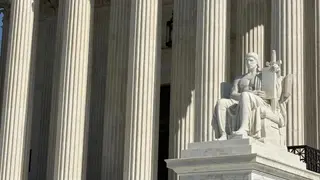
An analysis examines how the Supreme Court's justices remained occupied with emergency docket matters throughout the summer months despite the official recess period. The piece revisits interim motions and requests that required judicial attention during months traditionally reserved for rest and preparation. The article suggests the Court's workload continues to prevent meaningful breaks from judicial duties.
The Supreme Court's summer schedule has become increasingly occupied with urgent petitions and motions that demand immediate judicial review, leaving the justices without the traditional downtime that the recess period once provided. A SCOTUSblog analysis documented numerous interim matters requiring attention during the previous summer break, establishing a pattern that continued into the following year.
This persistent workload reflects broader trends in American litigation and emergency legal matters that cannot wait for the Court's regular session to resume. The accumulation of time-sensitive cases and motions throughout the summer months suggests the justices face mounting pressure to remain engaged with the docket even during months historically designated for preparation and rest.
The Court's inability to secure meaningful breaks during summer recess could affect judicial efficiency and the quality of deliberation on major constitutional questions. Justices deprived of adequate rest periods may face cognitive fatigue that could influence decision-making on significant cases. Additionally, the mounting emergency docket may signal that parties increasingly view the Supreme Court as an essential venue for urgent legal intervention, potentially reshaping expectations about the institution's accessibility during traditional recesses.