A Decade of Submarine Cable Growth Visualized Through Evolving Network Maps
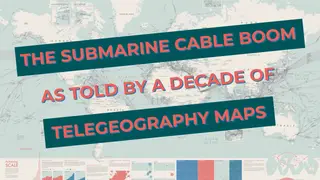
TeleGeography has released a retrospective comparing its submarine cable maps from 2013 through 2019, documenting the dramatic expansion of undersea telecommunications infrastructure over the period. The collection shows growth from 232 lit cables in 2013 to 366 systems by 2018, with increasing detail on cable systems, landing stations, and network resilience. The visualization highlights the accelerating pace of submarine cable development driven by growing bandwidth demand and investment from major technology companies.
The submarine cable infrastructure supporting global internet traffic has undergone remarkable expansion, with TeleGeography's documentation showing the network nearly doubled in size over approximately a decade. The growth trajectory accelerated particularly in recent years, climbing from 232 operational cables in 2013 to 486 systems by 2022, while landing stations increased from hundreds to over 1,300. This expansion reflects fundamental shifts in how data moves across continents, driven by escalating bandwidth requirements for cloud services and streaming platforms.
The involvement of major technology firms has fundamentally altered submarine cable development patterns. Previously dominated by telecommunications carriers, the market now sees significant participation from companies like Amazon, Google, Facebook, and Microsoft, which are directly funding and prioritizing routes that serve their data center operations. This shift signals how critical undersea infrastructure has become to the digital economy's foundation.
Submarine cable growth may have substantial implications for global connectivity and digital equity. Expanded infrastructure could potentially improve internet access in underserved regions and reduce latency for international data transmission, benefiting e-commerce and digital services worldwide. However, the concentration of investment by major technology companies may shape which routes receive priority development, potentially creating geographic advantages for some markets over others. Network resilience and cable vulnerability to physical damage from human activity remain operational considerations affecting service reliability globally.