Plastic and Coral Merge Into Toxic Hybrid Debris on Okinawa Shores
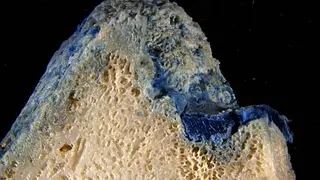
Researchers in Japan have identified a new form of pollution called 'plasticorals'—dead coral rubble that has been fused with melted plastic, creating an inseparable composite material. The plastic has seeped into the microscopic pores of coral skeletons, likely from beach bonfires, forming debris that could wash back into marine ecosystems and threaten reef habitats. This discovery highlights how synthetic materials are becoming permanently embedded in natural environments during what scientists call the Plasticene era.
Researchers at Japanese institutions discovered this hybrid material through careful beach surveys, where unusually colored particles caught their attention among typical coral debris. Laboratory analysis using microscopy and spectroscopy confirmed that common household plastics had melted and penetrated the porous structure of dead coral skeletons, likely heated by beach bonfires. The fused composite belongs to a larger category of materials where plastic combines with natural substances, a phenomenon increasingly documented as human-made polymers become geological markers.
Dead coral rubble normally serves critical ecological functions in reef systems, offering surfaces where new corals establish themselves and providing refuge for juvenile fish and small organisms. When plastic becomes permanently embedded in this rubble, it introduces multiple potential hazards including toxic chemical leaching from polymers and the transport of coral pathogens. Scientists have yet to fully characterize how plasticorals specifically impact marine life, making further investigation essential.
This discovery may concern coastal communities, fishing industries, and marine conservation efforts, as it reveals an unexpected mechanism through which plastic pollution becomes intertwined with reef ecosystems. If plasticorals accumulate widely, they could interfere with natural coral recovery processes already stressed by climate change. The finding might also prompt reconsideration of beach recreation practices and waste management policies in vulnerable reef regions, while potentially influencing how scientists monitor human impact on marine environments.