Record-Breaking Crayfish Discovery Sparks Scientific Ranking of Giant Freshwater Species
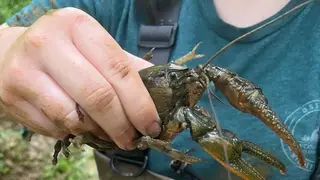
A Tennessee bottlebrush crayfish housed at West Liberty University has been identified as North America's largest known crayfish, with a carapace measuring 3.4 inches. The discovery emerged from friendly scientific rivalry that prompted researchers to systematically measure crayfish specimens across museum collections, resulting in a ranked list of the 20 largest individuals representing 18 species. The project raises biological questions about what factors limit crayfish growth and has generated renewed interest in understanding giant freshwater species.
The discovery emerged from a lighthearted debate between researchers about who had encountered the largest crayfish specimen. To resolve the friendly disagreement, scientists systematically accessed museum collections from institutions including the Smithsonian and the University of Illinois, where they used precision measurement tools to compare specimens and establish an authoritative ranking.
The researchers found their largest specimens clustered around an 80-millimeter carapace size, prompting inquiry into what constrains growth. Environmental factors such as latitude, oxygen levels, and habitat type showed no consistent correlation with size differences, redirecting scientific attention toward biological characteristics—specifically the structure of crayfish exoskeletons and related physiological factors.
This research could advance understanding of freshwater ecosystem biology and inform conservation strategies for crayfish populations, which serve as indicator species for water quality. Museum-based discoveries like this may enhance public interest in taxonomy and systematic biology. The work could also influence aquaculture practices or inform recreational fishing regulations, potentially affecting communities dependent on crayfish populations economically or culturally.