Novel Phage Therapy Treatment Saves Beluga Whale from Antibiotic-Resistant Pneumonia
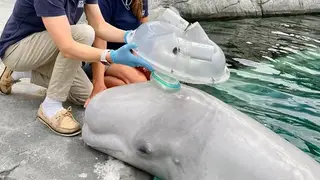
A beluga whale named Jetta received an innovative medical treatment using bacteriophages—viruses that target and kill bacteria—when traditional antibiotics proved ineffective against her pneumonia infection. Medical professionals administered the virus treatment through a specialized nebulizer directed into the whale's respiratory system. This case demonstrates the potential of phage therapy as an alternative approach for treating antibiotic-resistant infections in marine mammals.
Jetta's case highlights an emerging medical strategy in which specially engineered viruses serve as precision tools against bacterial pathogens. Rather than relying on conventional pharmaceutical antibiotics, this therapeutic approach exploits the natural ability of bacteriophages to recognize and destroy their bacterial hosts. The delivery method—a nebulizer system adapted for the whale's unique physiology—represents careful adaptation of human medical technology to marine animal care.
The incident underscores a growing challenge in modern medicine: microorganisms increasingly develop resistance to standard antibiotic treatments, rendering these drugs ineffective. As resistance spreads across human and animal populations, alternative strategies like phage therapy offer potential solutions that sidestep established resistance mechanisms, opening new possibilities for treating previously intractable infections.
This successful treatment could influence how marine veterinarians approach resistant infections in aquatic mammals, potentially expanding therapeutic options beyond conventional pharmaceuticals. The case may also encourage broader research into bacteriophage applications across both wildlife and human medicine. However, phage therapy remains specialized and labor-intensive, so widespread adoption may depend on further research demonstrating consistent efficacy and establishing practical protocols for diverse clinical settings.