Research Suggests Long-Necked Dinosaurs Had Reinforced Beak-Like Jaw Structures
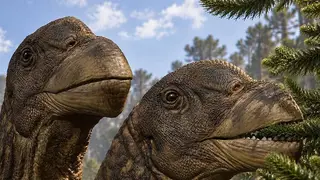
A recent study proposes that Camarasaurus and other sauropods possessed tough, keratinous coverings around their jaws while retaining their full set of teeth, a structure researchers term an odontoscutum or "tooth shield." This discovery challenges the traditional approach of reconstructing sauropod skulls by simply stretching skin over bone, suggesting these massive dinosaurs had far more heavily reinforced, beak-like facial structures than previously depicted. The finding contributes to an ongoing reevaluation of sauropod anatomy and appearance during their lifetime.
Camarasaurus, a 50-foot dinosaur from the Jurassic period, distinguished itself among sauropods through its unusually robust skull structure and powerful spoon-shaped teeth. Unlike relatives such as Diplodocus, which possessed slender peg-like teeth, Camarasaurus was equipped for consuming tougher plant material. The animal's skeleton exemplified sauropod engineering, featuring air-filled vertebral chambers that reduced skeletal weight while maintaining structural integrity—a critical adaptation for creatures of such massive scale.
The challenge of reconstructing extinct animals lies partly in understanding soft tissues that leave no fossil record. Sauropod skulls present particular difficulties due to numerous openings for sensory organs and muscles, which paleoartists must interpret thoughtfully rather than simply filling in with skin, as traditional "shrink-wrapping" approaches suggest.
This research could reshape museum displays and educational materials about sauropods, potentially influencing how millions of people visualize these ancient animals. Scientific understanding of dinosaur anatomy affects broader discussions about evolutionary adaptation and biomechanics. The finding may also encourage greater interdisciplinary collaboration between paleontologists and specialists in comparative anatomy, potentially advancing reconstruction methodologies applicable to other fossilized species with poorly preserved soft tissue evidence.