Native American Students Shape Agriculture's Future Through Tribal Fellowship Program
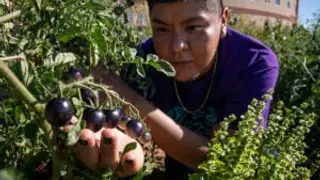
The Tribal Agriculture Fellowship, launched in 2022 with support from major agricultural organizations, provides Native American, Alaska Native, and Native Hawaiian students with scholarships, professional development, and mentorship for agriculture-related studies. The program aims to build specialized agricultural knowledge and strengthen farming practices within tribal communities while recognizing Indigenous agricultural heritage. Since its inception, the fellowship has supported students pursuing technical, undergraduate, and graduate degrees in agricultural fields.
The Tribal Agriculture Fellowship emerged from a 2021 commitment by the Native American Agriculture Fund to address representation gaps in agricultural education and careers. Formal launch occurred in 2022 with initial enrollment of ten students, supported by substantial funding commitments from major agricultural institutions including John Deere and Farm Credit. The program evolved beyond traditional scholarship models to incorporate mentorship networks, professional development workshops, and peer support systems designed specifically for Indigenous students.
The initiative recognizes that Indigenous agricultural practices represent centuries of accumulated knowledge and land stewardship. By targeting students at technical certificate, undergraduate, and graduate levels across multiple agricultural disciplines—including veterinary medicine and natural resources—the fellowship addresses workforce development needs within tribal communities while creating pathways for Native Americans to influence agricultural practices and policy.
This program may influence agricultural sustainability by expanding the leadership pipeline within tribal farming systems and communities historically underrepresented in agricultural professions. Participants could contribute specialized knowledge rooted in Indigenous land management practices to broader agricultural challenges. The model might also affect how agricultural education institutions engage with Native communities, potentially reshaping partnerships between tribal colleges and land-grant universities. However, long-term impacts on tribal food sovereignty and regional agricultural practices would depend on fellowship graduates' subsequent career trajectories and institutional support for implementing Indigenous-informed approaches.