Apple Readies Retro-Styled Smart Home Hub for October Launch
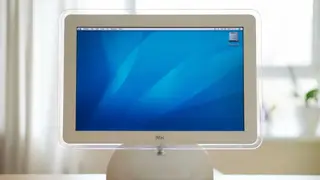
Apple is preparing to announce new smart home products on October 13, including a hub with a design inspired by the classic iMac G4 featuring a tilting display mounted on a rounded base with speaker holes. The hub will include multiple form factors, with a standard 6-inch model and a wall-mounted version, and will use voice and facial recognition to display personalized content. The device will run a new Siri-based operating system that blends interfaces from Apple Watch, Apple TV, and iPad.
Apple's smart home ambitions will center on a visually distinctive hub that draws inspiration from early 2000s design language. The device comes in two configurations: a tabletop model with a 6-inch screen mounted on a metal arm atop a speaker-equipped base, and a wall-mounted variant. Both versions incorporate dual recognition systems using voice and facial data to customize the interface for different household members, though the facial recognition capability appears less sophisticated than Apple's phone authentication technology.
The hub operates on a custom Siri-driven platform integrating design elements from Apple's existing device ecosystem. It functions as a smart home control center while offering productivity and entertainment features like photo displays and calendar access. Apple plans complementary updates to the HomePod mini speaker and Apple TV 4K hardware, alongside collaboration with third-party manufacturers to expand compatible smart home devices.
Apple's entrance into the smart home market could reshape consumer expectations for connected home devices by emphasizing personalization and aesthetic design. The facial and voice recognition features may influence privacy discussions around biometric data collection in home environments. Success could incentivize competitors to prioritize distinctive industrial design alongside functionality. For existing smart home users, expanded first-party Apple products might create ecosystem lock-in benefits—or friction—depending on integration with non-Apple devices.