Proximity to Loved Ones Reduces Metabolic Cost of Body's Self-Regulation
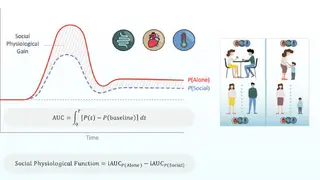
Research measuring blood glucose, skin temperature, and stress responses found that people's bodies operate more efficiently when in close proximity to romantic partners or family members. Multiple experiments demonstrated an 8 to 12 percent reduction in physiological strain when individuals faced physical challenges alongside their partners compared to facing them alone. The findings suggest human physiology evolved to function more optimally in social contexts, providing a biological basis for why humans form and maintain close bonds.
The research team conducted three separate experiments measuring distinct biological systems. Participants consumed standardized meals, underwent cold exposure, and received mild electrical shocks—each test performed both in isolation and alongside a loved one. The consistent finding across all conditions was that the body's regulatory burden decreased measurably when another person was present, suggesting this effect operates across multiple physiological pathways rather than through a single mechanism.
The researchers propose that proximity activates the brain's predictive regulatory systems, allowing the body to anticipate and manage physical demands more smoothly. This mechanism appears independent of stress reduction or physical comfort, since glucose benefits persisted even when stress markers remained unchanged and without requiring touch between partners.
These findings could reshape how medical and mental health fields understand the biological importance of relationships. If validated further, they might influence treatment approaches for metabolic disorders, stress-related conditions, and social isolation—suggesting that prescribing time with loved ones could have measurable physiological value. The work may also inform workplace design, hospital policies, and eldercare practices by highlighting how proximity to close relationships represents a genuine metabolic asset rather than merely emotional comfort.