Boeing's 787 Dreamliner marks 15 years of transforming long-distance travel
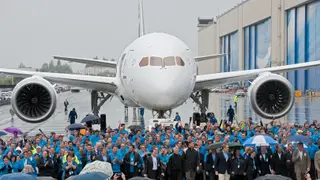
Boeing celebrated the 15th anniversary of delivering the first 787 Dreamliner to All Nippon Airways in September 2011, a milestone that launched one of aviation's most successful widebody aircraft. The program has delivered over 1,300 jets globally and fundamentally changed what airlines could accomplish in connecting distant markets. Early program leaders reflect on how the aircraft exceeded their expectations in reshaping passenger travel experiences.
The 787 program achieved remarkable commercial success since that September 2011 handover. The aircraft has become the fastest-selling widebody jet ever built, with over 1,300 units now operating globally. This production pace reflects strong airline demand for the aircraft's capabilities. The jet's introduction enabled carriers to establish connectivity between city pairs previously considered economically unviable for nonstop service, fundamentally reshaping route networks worldwide.
Early implementation presented challenges that required attention. Initial service reliability fell short of customer expectations, and delivery timelines slipped beyond original projections. However, Boeing's technical teams systematically addressed these issues, ultimately delivering performance improvements that justified airline investments. The aircraft's versatility—capable of handling both short-haul regional routes and ultra-long-distance missions—has made it adaptable to diverse operational requirements across carriers of varying sizes.
The 787's widespread adoption could influence how travelers access global destinations, potentially expanding nonstop flight options for passengers in underserved markets. Airlines may benefit from improved fuel efficiency and reduced operating costs, factors that could affect pricing and route expansion decisions. The aircraft's environmental improvements relative to earlier widebody designs might contribute modestly to aviation's sustainability goals. For aircraft manufacturers, the program's commercial success may validate modern production and materials strategies for future aircraft development.