Traditional Kashmiri wedding cuisine balances heritage with contemporary pressures
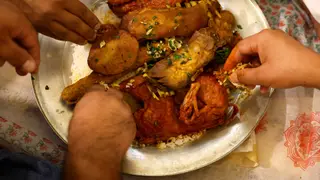
Wazwan, a centuries-old multicourse mutton feast originating from Central Asia in the 14th century, remains a central element of Kashmiri wedding traditions and reflects the region's cultural identity and social status. Master chefs like 74-year-old Ghulam Nabi Baba have preserved labor-intensive hand-pounding and wood-fire cooking techniques while expanding the menu from seven to approximately twenty dishes over time. The tradition faces modernization challenges as younger generations seek less demanding occupations, adapting the culinary legacy into restaurant settings rather than wedding catering.
Wazwan's culinary techniques have remained remarkably consistent over centuries, relying on hand-preparation methods and traditional cooking vessels that demand significant skill and physical labor. The feast's composition serves as a social indicator within Kashmiri communities, with wealthier families commissioning larger quantities of meat and more elaborate dish selections. Senior practitioners like Baba represent a direct lineage to the Central Asian migrants who originally brought these cooking traditions to Kashmir during the medieval period.
The sustainability of this tradition now depends on intergenerational transmission during a period of economic and lifestyle transformation. Younger cooks face a choice between pursuing demanding wedding catering work requiring round-the-clock availability or redirecting their culinary knowledge toward restaurant-based ventures with more predictable schedules and working conditions.
The evolution of Wazwan reflects broader tensions affecting artisanal food traditions globally. The shift toward restaurant settings may preserve recipes and techniques while altering how and where Kashmiri culinary heritage is experienced and transmitted. This adaptation could affect wedding customs, community gathering practices, and the economic viability of families who have specialized in this work for generations. The transition may ultimately reshape what "traditional" Wazwan means for younger Kashmiris forming their own cultural practices.