End of Abyss: Atmospheric Horror Can't Sustain Metroidvania Gameplay
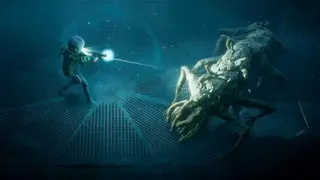
End of Abyss is a metroidvania-horror hybrid that impresses with its unsettling atmosphere and striking visual design reminiscent of Little Nightmares, but falters in sustaining engaging exploration and combat mechanics. Players control Cel, a silent combat technician navigating an abandoned facility filled with grotesque environments and parasitic enemies while uncovering the mystery of what transpired. While the game's initial dread and aesthetic pull the player in, the experience gradually becomes repetitive and loses momentum, ultimately failing to deliver on the promise of its compelling opening.
End of Abyss marks the debut title from Section 9 Interactive, a studio formed by veterans of the Little Nightmares franchise. The game combines metroidvania progression mechanics with horror elements, positioning players as Cel, a taciturn soldier navigating an enormous underground facility controlled by artificial intelligence systems. Throughout the approximately 10-hour campaign, players encounter hostile creatures called Husks—former station workers transformed by parasitic infection—while gradually uncovering the facility's history through scattered documents and environmental storytelling.
The gameplay loop involves exploring interconnected zones, acquiring power cells and other key items to unlock new areas, and engaging in twin-stick combat against enemies. Reviewer Jesse Vitelli notes that while the game's visual design and sound design create genuine tension in early sections, these horror techniques become predictable as players recognize repeated encounter patterns, particularly the strategic placement of corpses in open arenas that consistently precede combat encounters.
As a niche horror-metroidvania hybrid, End of Abyss may have limited mainstream appeal but could influence how indie developers approach atmosphere-driven game design. The game's apparent struggle to balance aesthetic innovation with mechanical depth may inform future discussions about whether horror games can sustain player engagement through visual style alone. Casual and hardcore gaming audiences might respond differently to the title, potentially affecting developer funding decisions for ambitious but mechanically inconsistent projects in the genre.