Understanding El Niño: How Pacific Ocean Warming Triggers Global Weather Disruption
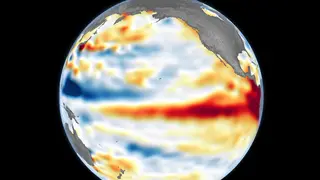
El Niño occurs when periodic disturbances in the Pacific Ocean initiate a self-reinforcing feedback cycle that amplifies atmospheric effects and triggers extreme weather worldwide. Every two to seven years, westerly wind bursts slow trade winds and allow warm water masses called Kelvin waves to spread eastward across the Pacific, suppressing the upwelling of cold nutrient-rich water. This mechanism, known as the Bjerknes feedback, continues intensifying as warm ocean waters heat the atmosphere and further reduce atmospheric pressure, perpetuating the warming cycle.
El Niño emerges from a natural cycle occurring at irregular intervals of two to seven years. The mechanism begins when atmospheric disturbances weaken the trade winds that normally push warm water westward across the Pacific. This allows warm water masses to travel eastward, suppressing the upwelling of nutrient-dense cold water and intensifying surface warming. The Bjerknes feedback amplifies this effect: warm water heats the atmosphere above it, lowering atmospheric pressure and further weakening trade winds, creating a self-reinforcing cycle.
The phenomenon's global reach stems from its impact on atmospheric circulation patterns. By shifting the location of major convection zones in the tropical atmosphere, El Niño redirects moisture patterns across continents. Indonesia and the Amazon may experience drought conditions while eastern Africa faces increased rainfall and flooding risk. Northern Pacific temperature contrasts intensify, potentially strengthening jet streams and increasing precipitation across the southern United States and occasionally the UK.
El Niño's effects could significantly impact agriculture, fisheries, and water resources across vulnerable regions. Communities dependent on Pacific fisheries may face reduced catches, while others could experience severe drought or flooding affecting food production and freshwater supplies. The phenomenon may compound climate pressures already affecting global temperatures and weather stability. Coastal populations and developing nations with limited adaptation resources could face heightened economic and social disruption, though preparedness and climate monitoring may help mitigate some consequences.