China's 2027 BRICS Presidency Could Accelerate Efforts to Reduce Dollar Dependence
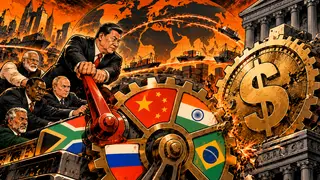
China will assume the BRICS presidency in 2027 and has indicated intentions to advance initiatives reducing reliance on the U.S. dollar through local currency payments and financial system interconnection. While Russian officials have confirmed support for modernizing payment systems and expanding trade settlement in national currencies, the BRICS group has not outlined plans for a common alternative currency to replace the dollar. Success will depend on navigating competing interests among member nations and converting proposals into functional infrastructure during China's leadership term.
China's leadership of BRICS beginning in 2027 positions the bloc to pursue several interconnected financial initiatives that would reduce dollar usage in cross-border transactions. Rather than creating a single competing currency, the strategy focuses on practical infrastructure: linking rapid payment systems across member nations, expanding settlements in local currencies, and ensuring compatibility between central bank digital currencies. Russia has publicly endorsed this modernization approach.
The New Delhi summit in September 2026 clarified that BRICS members recognize no one-size-fits-all monetary solution exists. India has notably resisted a common currency concept, favoring bilateral arrangements instead. A dedicated payments task force will continue studying technical compatibility improvements among member systems, treating currency alternatives as an incremental rather than revolutionary shift.
If successfully implemented, these initiatives could reshape trade patterns for participating economies and their partners, potentially reducing exposure to U.S. monetary policy shifts. Developing nations and commodity exporters might gain negotiating leverage in bilateral deals. However, effectiveness depends on whether competing interests among BRICS members—India, Brazil, Russia, China, and South Africa—allow concrete infrastructure development rather than remaining at the discussion phase during China's presidential term.