Russia's Years-in-Development Crewed Spacecraft Shows Signs of Progress
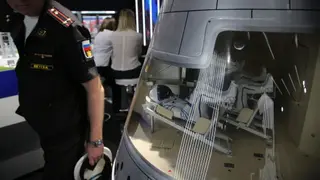
Russia's long-stalled crewed spacecraft program, which has cycled through multiple names including Oryol and PTK NP over nearly two decades, may finally be advancing with concrete hardware testing. The new Roscosmos chief has reportedly shifted focus back to practical development, with parachute system tests scheduled to begin in the fall. The project has a history of concept renderings and name changes with limited tangible progress, but recent leadership changes suggest renewed commitment to engineering milestones.
Russia initiated discussions with the European Space Agency roughly twenty years ago to jointly develop a next-generation crewed vehicle, though Europe eventually withdrew from the partnership. Roscosmos proceeded independently, resulting in a project that has undergone four separate name changes since its inception—from PPTS through PTK NP, Federatsiya, and most recently Oryol—while producing primarily conceptual renderings rather than functional prototypes.
Recent leadership transitions at Roscosmos appear to signal a shift toward concrete engineering milestones. The current administration has outlined a testing schedule beginning in autumn that includes parachute system evaluations and emergency abort procedures, with aspirational crewed missions targeted for 2028 or 2029. However, the specification of test hardware types remains unclear, and previous timelines announced by Russian leadership have not materialized.
The development of Russia's new crewed spacecraft could affect international space operations and geopolitical dynamics in orbital spaceflight. If realized, the vehicle may reduce Russia's reliance on Soviet-era Soyuz technology and potentially enable independent crewed lunar missions, altering the competitive landscape in human spaceflight. Conversely, continued delays might further constrain Russia's participation in advanced space activities, potentially widening the technological gap with other spacefaring nations and affecting opportunities for international collaboration.