Google Develops Watermarking Technology to Track AI-Generated Proteins
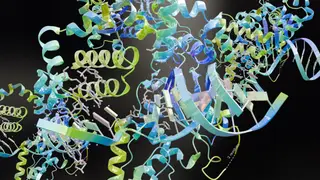
Google's DeepMind team has created a watermarking system that embeds identification markers into proteins designed by artificial intelligence without compromising their functionality, addressing biosecurity concerns about AI-designed pathogens escaping detection. The approach builds on Google's existing SynthID technology by encoding subtle biases into protein sequences that persist even after basic modifications. The watermarks enable security systems to identify proteins from trusted sources and flag others for closer scrutiny, helping distinguish beneficial AI-designed proteins from potential threats.
Google's DeepMind division has extended its existing SynthID watermarking technology—originally developed for digital content like text and images—into the biological realm of protein sequences. The challenge required overcoming significant technical obstacles, since proteins contain far fewer component parts than digital files; a typical protein of 500 amino acids has considerably less "space" to embed identifying information compared to the millions of pixels in an image. Additionally, proteins cannot tolerate arbitrary modifications without losing their biological function, meaning any watermark must integrate seamlessly into the protein's structure while preserving its intended purpose.
The watermarking system works by introducing subtle biases into the selection of amino acids during protein design, creating patterns that remain detectable even after basic structural modifications. This approach allows security researchers to distinguish proteins created by authorized AI systems from those of unknown origin, potentially preventing dangerous synthetic pathogens from evading current detection methods.
This development could significantly impact biosecurity practices by creating traceability for AI-designed proteins, potentially reducing risks from unauthorized or malicious applications. Legitimate researchers may benefit from faster, less restrictive protein design workflows, while institutions developing biological agents could face enhanced monitoring. However, the technology's effectiveness may depend on widespread adoption across research communities and detection systems, and determined actors might find alternative design methods that circumvent watermarking altogether.