Starlink Constellation Faces Multiple Deorbit Events as Musk Advances AI Policy Role
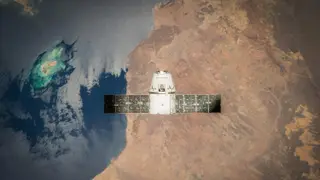
SpaceX is currently tracking 11 Starlink satellites for atmospheric reentry over the coming days, reflecting the company's standard practice of removing end-of-life spacecraft from orbit. Four additional Starlink satellites appear on collision-risk lists, though all flagged readings are marked as suspect and do not represent confirmed threats at this time. The developments occur as Elon Musk participates in White House discussions on artificial intelligence regulation.
SpaceX routinely manages the end-of-life phase of its Starlink satellites through controlled deorbiting, a standard industry practice for removing defunct spacecraft from active orbital zones. The current batch of 11 satellites represents the ongoing operational cycle of a constellation numbering thousands of units deployed across multiple orbital shells since 2019.
The conjunction warnings flagged in tracking systems carry technical qualifications that reduce their immediate concern. Suspect status indicates the underlying data—derived from ground-based radar and optical sensors—contains uncertainties that make close-approach probabilities unreliable. Orbital mechanics involves inherent measurement limitations, particularly for objects in dense constellation regions where sensor resolution becomes a limiting factor.
Starlink's scale creates both operational efficiency and space traffic management challenges. Automated deorbiting demonstrates responsible satellite lifecycle management, potentially influencing regulatory expectations for future mega-constellations from competitors. However, the conjunction warnings—even if marked suspect—highlight growing complexity in tracking thousands of objects in shared orbital bands, a concern affecting space sustainability policy discussions among international agencies and commercial operators alike.