Two American Ranges Dominate Global Launch Activity as SpaceX Reshapes Spaceflight Industry
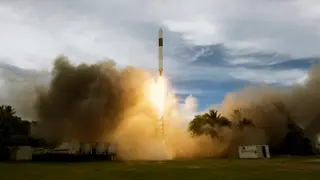
Cape Canaveral and Vandenberg Space Force Bases combined handled approximately 174 orbital launches in 2025, with SpaceX conducting roughly 167 missions—more than every other nation combined. China's four launch facilities collectively ranked third through sixth globally, while Rocket Lab's New Zealand spaceport entered the top ten, displacing traditional Cold War-era cosmodromes in launch frequency. This concentration of activity at American facilities represents a historic shift in spaceflight operations driven by commercial launch provider dominance.
The 2025 launch statistics reveal a dramatic concentration of spaceflight infrastructure at two American military installations. Cape Canaveral and Vandenberg together conducted approximately 174 orbital missions, with SpaceX alone accounting for roughly 167 of them. This represents an extraordinary consolidation compared to historical patterns, where launch activity was distributed across numerous nations and facilities.
The remaining global launch capacity shows notable structural shifts. China maintains four distinct spaceport facilities ranking positions three through six, while Russia's traditionally dominant cosmodromes at Plesetsk and Baikonur have fallen to eighth and tenth place respectively. New Zealand's Rocket Lab facility entered the top ten rankings for the first time, demonstrating how commercial space ventures are reshaping traditional launch geography and capability distribution.
This operational shift could significantly affect international space policy and national security considerations. The heavy reliance on two American facilities may create bottlenecks for non-SpaceX operators seeking launch capacity, potentially influencing commercial competitiveness and national space programs globally. Conversely, the demonstrated reliability and frequency of American launches may strengthen U.S. positioning in space infrastructure. Nations without independent launch capability may face constraints on autonomous access to orbit, affecting satellite deployment, scientific missions, and strategic independence.