Federal Reserve Inspector General Finds No Misconduct in Headquarters Renovation Project
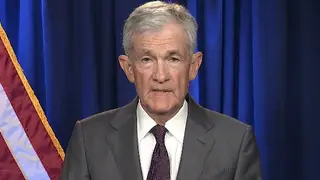
The Federal Reserve's internal watchdog completed a 120-page investigation into the central bank's $2.5 billion headquarters renovation project and found no evidence of illegal behavior or administrative misconduct. The report identified management failures including insufficient budget oversight and delayed cost estimates, though no fraud occurred. The investigation addresses Trump's campaign criticism of former Fed Chair Jerome Powell over the project's cost overruns.
The Federal Reserve's inspector general released findings Wednesday on a major infrastructure project that has drawn scrutiny since its inception in 2022. While the 120-page investigation cleared all parties of illegal activity, it documented significant governance problems in how the renovation was administered. The watchdog identified critical gaps in financial planning, noting that project leaders failed to establish spending caps or obtain comprehensive cost projections before work commenced, contributing to the substantial financial overruns.
The renovation initiative became politically contentious during the 2024 campaign cycle, with then-candidate Trump using the project's budget problems as evidence of mismanagement at the central bank's leadership level. Trump suggested the cost overruns might constitute fraud and raised questions about removing the sitting Fed chair over the matter. The inspector general's exoneration of misconduct effectively removes legal or ethical grounds for such allegations, though the report does establish that management practices fell short of institutional standards.
The findings may influence public confidence in Federal Reserve governance and oversight mechanisms. Citizens and policymakers could view either reassurance from the "no misconduct" conclusion or concern about documented management failures, depending on their perspective. The report's identification of process weaknesses may prompt internal reforms affecting how major capital projects are authorized and monitored. Markets and political actors may interpret the results differently, potentially shaping future debates over central bank leadership and accountability.