Balcony Solar Adoption Races Ahead of Safety Standards Development
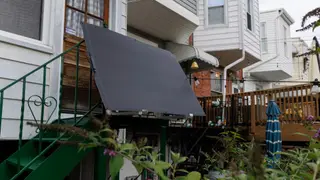
A dozen states have legalized plug-in solar panels for balconies and porches, allowing renters and homeowners to install systems without permits or contractors. While these affordable systems promise to reduce utility bills and ease grid strain, industry safety standards have not yet caught up with the legislative changes, creating legal uncertainty for consumers. Advocates argue that manufacturers need clear safety guidelines before the market can fully take off in the United States.
Balcony solar systems represent a significant shift in residential renewable energy adoption. These compact, affordable installations eliminate traditional barriers by allowing homeowners and renters to generate electricity without hiring contractors, obtaining permits, or making substantial upfront investments. The technology has demonstrated reliable performance in international markets, particularly in Germany, where regulatory frameworks have already established operational viability.
The legislative momentum is substantial and bipartisan, with nine states having enacted authorizing legislation and three additional measures awaiting gubernatorial approval. Utilities have largely remained neutral on the expansion, though some have raised questions about grid management and worker safety implications of unmonitored distributed systems.
The regulatory gap between legislation and safety standards could significantly influence renewable energy adoption patterns among renters and cost-conscious homeowners. If safety certifications proceed promptly, widespread installation could reduce residential electricity consumption and strain on grid infrastructure. However, unresolved safety questions may leave consumers in jurisdictions with permissive laws facing potential liability or system incompatibility issues. The development of clear standards may determine whether balcony solar becomes a mainstream residential technology or remains a marginal market segment in the United States.