Livestock Farming's Outsized Climate Impact: Methane Emissions and Land Use Drive Beef's Environmental Footprint
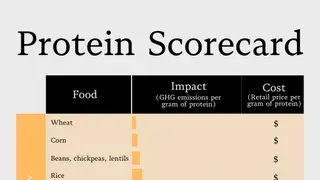
Beef production represents a significant contributor to climate change through two primary mechanisms: methane emissions from cattle digestion and the extensive land conversion required for grazing and feed crops. The article examines how these factors combine to make beef consumption one of the most carbon-intensive food sources available. Understanding these environmental costs is essential for evaluating dietary choices and their broader climate implications.
Cattle farming contributes to climate change through two distinct pathways. The digestive processes of livestock generate methane, a potent greenhouse gas that accumulates in the atmosphere. Simultaneously, the industry requires substantial land resources—both for animals to graze directly and to cultivate feed crops—necessitating conversion of existing ecosystems. These combined pressures create a notably resource-intensive production system compared to alternative protein sources.
The environmental cost of beef extends beyond direct emissions. Large-scale land use for livestock agriculture can involve habitat conversion and soil impacts that compound climate concerns. As global protein demand continues rising, the efficiency and sustainability of beef production relative to other food sources becomes increasingly relevant to climate mitigation discussions and individual consumption decisions.
This story may influence how consumers, policymakers, and agricultural sectors evaluate livestock farming's role in climate strategy. Food producers could face growing pressure to reduce environmental footprints, while dietary choices may shift in response to clearer information about climate impacts. Agricultural communities relying on beef production might experience economic implications, while regions considering land use policies could integrate climate considerations more prominently. Public understanding of the connections between food systems and climate change may deepen.