3D Printer Deals and Recommendations During Bambu Lab's Seasonal Sale
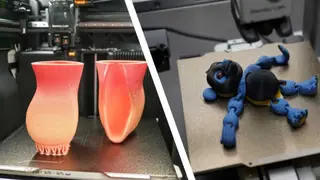
Bambu Lab is running a Halloween sale through October 16 featuring discounted filament bundles and supplies for 3D printing projects. The retailer offers multiple printer options across different price points, including the budget-friendly A1 Mini at $219 for beginners and the mid-range P1S at $579 for users seeking advanced capabilities without excessive cost. These machines feature automatic calibration, enclosed designs for material compatibility, and quick setup times for users looking to start printing immediately.
Bambu Lab's current promotional event combines seasonal theming with practical incentives across its product lineup, running through mid-October. The company structures its offerings across distinct user tiers, enabling shoppers to match equipment investment with experience level and intended use. The A1 Mini addresses spatial constraints common in home workshops, while the P1S balances production capability against cost considerations. The professional-tier H2D includes dual-nozzle functionality and chamber temperature management, features typically associated with industrial-grade equipment.
The sale bundles filament products with hardware purchases, potentially reducing total acquisition costs for users building complete printing setups. Rapid setup procedures—marketing the P1S as ready for first printing within 15 minutes—address common barriers to 3D printer adoption among newcomers unfamiliar with technical calibration processes.
This promotional event could expand accessible entry points into 3D printing hobbyist communities by lowering initial financial barriers. Budget-conscious consumers may gain access to previously out-of-reach fabrication capabilities, potentially broadening participation in maker spaces and personal project creation. The tiered pricing structure might enable different user segments—from students to small business operators—to adopt technology suited to their specific workflows. However, market saturation and equipment reliability over time may determine whether these incentives sustain long-term hobbyist engagement or create transitory purchasing patterns.