Analysts Warn of Potential Iran Escalation After U.S. Midterm Elections
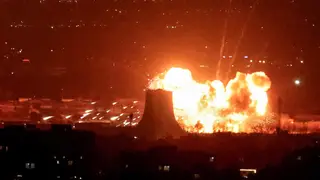
Former national security officials argue that President Trump may intensify military and economic action against Iran once the midterm elections conclude, as energy price concerns have previously constrained his policy decisions. The U.S. and Iran have engaged in a prolonged economic competition, with both nations experiencing significant strain but avoiding major escalatory measures like attacks on energy infrastructure. Experts suggest that post-election political cover could embolden Trump to pursue more aggressive strategies against Tehran.
The article discusses how domestic energy price concerns have previously constrained Trump's Iran policy decisions. In April 2026, rising energy costs forced a shift toward diplomacy, resulting in a memorandum of understanding that subsequently fell apart over conflicting interpretations. Both nations have since engaged in sustained economic pressure rather than direct military confrontation, with officials from both sides apparently believing advantage lies in prolonged endurance rather than immediate escalation.
The piece outlines potential post-election scenarios, noting that Trump may view an Iran victory as legacy-defining. Pressure from allied hawks, Israeli officials, and regional Gulf partners could influence this calculation, alongside concerns about critical munitions availability. The authors suggest that while renewed military strikes could damage Iranian capabilities, such actions may prove ineffective if Iran retains sufficient counterstrike capacity, as occurred following March strikes.
This analysis could influence how policymakers and markets interpret Trump administration intentions toward Iran. Energy markets may face volatility if escalation occurs, potentially affecting global consumers and economies dependent on stable oil prices. The assessment raises questions about how election cycles shape national security decisions and whether post-election political capital might embolden more aggressive stances. Regional allies and adversaries may adjust their own strategies based on such expert predictions about U.S. policy shifts.