Canada and European Union Explore Closer Ties as Alternative to U.S. Relations
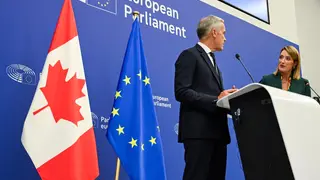
Canada and the European Union are deepening their relationship amid concerns about the Trump administration's impact on the multilateral global order, with Brussels having floated the possibility of Canadian associate membership during the EU's recent State of the Union address. Both nations recognize the strategic value of diversifying their economic and security partnerships to gain leverage over Washington while defending shared interests in democracy and multilateralism. However, formal EU associate membership for Canada faces legal and procedural obstacles, as such a status does not currently exist within EU treaty frameworks.
Canada and the European Union are pursuing multiple avenues to strengthen their bilateral relationship beyond their existing 2016 trade agreement. These initiatives span critical infrastructure areas including raw materials sourcing, technological development, renewable resources, and defense capabilities. Canada has already made history by becoming the first non-European nation to participate in Europe's Security Action framework, signaling deepened security cooperation.
The diplomatic efforts reflect shared concerns about global stability and multilateral governance structures. Both parties are exploring agreements in emerging sectors like digital commerce and financial services, with a major summit scheduled for late October intended to finalize negotiations on new trade terms in the technology sphere.
This deepening partnership could reshape North American and transatlantic strategic alignments, potentially affecting supply chains, defense spending, and technology standards across multiple sectors. Businesses in Canada and EU member states may experience new market opportunities or regulatory harmonization. However, the practical feasibility of formal institutional arrangements remains uncertain, which could limit the partnership's concrete economic and security benefits. The trajectory of U.S.-Canada relations under shifting administrations may ultimately determine whether this alliance strengthens substantially or remains supplementary to North American ties.