Norwegian Cruise Line Raises Third-Quarter Outlook as Bookings Reach Record Levels
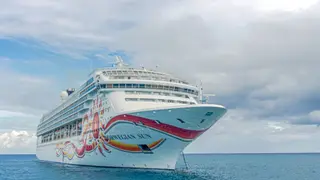
Norwegian Cruise Line raised its third-quarter earnings expectations after revenue performed better than the company's previous forecast, though management maintained its full-year 2026 guidance indicating measured confidence in the improvement. The company reported record booked occupancy and pricing for 2027, with 2028 bookings also running ahead of the prior year, signaling strengthening customer demand heading into the next year. The cruise operator attributed the stronger third-quarter results primarily to revenue outperformance rather than cost reductions or other operational adjustments.
Norwegian Cruise Line's third-quarter upgrade stems entirely from stronger-than-anticipated revenue generation rather than cost-cutting measures or operational restructuring. The company had previously guided for adjusted earnings of $0.90 per share and $874 million in adjusted EBITDA for the period, but now expects to surpass those benchmarks. Management's decision to maintain its full-year 2026 financial targets despite the quarterly beat suggests a cautious posture toward the sustainability of current demand trends.
The company's forward booking metrics reveal expanding consumer interest in future cruise vacations. Both occupancy rates and pricing for 2027 sailings have reached record levels in the company's history, while 2028 reservations are already outpacing the comparable prior-year period. These metrics offer management visibility into revenue streams extending well beyond the current fiscal year and suggest that near-term demand strength may persist into subsequent periods.
Stronger cruise line demand could benefit leisure travelers through expanded capacity and potentially more competitive pricing as operators scale operations to meet bookings. Conversely, suppliers and employees in hospitality and tourism sectors may experience increased pressure as cruise operators optimize cost structures. Investors in travel and leisure equities could see portfolio implications based on whether cruise operators sustain profitability amid higher bookings, while consumers dependent on traditional travel alternatives might face pricing adjustments if cruise lines capture greater market share in vacation spending.