Kosovo Serbs Deny Charges Related to 2022 Border Barricade Protests
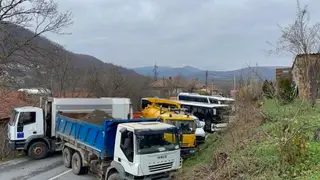
Three Kosovo Serb defendants pleaded not guilty at Pristina Basic Court to charges of violating constitutional order by participating in roadblock demonstrations at northern border crossings in December 2022. Two other defendants in the case have already been convicted and sentenced to approximately 18 months imprisonment each after pleading guilty. The alleged incidents involved organized blockades at border crossings with Serbia in response to a Serbian detainee's arrest.
The December 2022 incidents involved coordinated blockades at two key border crossing points between Kosovo and Serbia, during which demonstrators deployed various vehicles to obstruct traffic. The unrest followed the detention of a Kosovo Serb individual suspected of involvement in an attack on election infrastructure. Evidence emerged suggesting the protests were not entirely spontaneous; investigators discovered a messaging group on one defendant's phone containing communications about weapons acquisition and coordination, contradicting initial characterizations of the events as grassroots demonstrations.
Law enforcement and border personnel faced significant risks during the barricades, which also created broader security tensions through the presence of armed individuals occupying fortified positions. The investigation connected some participants to separate incidents of armed violence in northern Kosovo communities, complicating the legal narrative around the border demonstrations.
These proceedings may influence perceptions of ethnic tensions in Kosovo's disputed northern regions, where Serb-majority populations maintain complex relationships with Pristina authorities. The convictions and ongoing trials could shape how similar demonstrations are evaluated by international observers monitoring the country's stability. The distinction between organized versus spontaneous protest may affect community trust in local institutions and potentially influence future intercommunal relations, depending on how verdict narratives circulate among Serbian and Kosovo populations.