Saudi Arabia Projects 3.6% Budget Deficit as Spending Outpaces Revenue in 2027
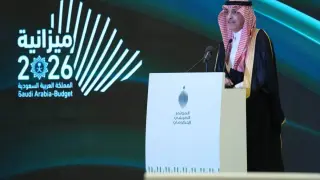
Saudi Arabia's Finance Ministry unveiled a 2027 preliminary budget showing projected spending of 1.392 trillion riyals against revenue of 1.202 trillion riyals, resulting in a deficit equivalent to 3.6% of GDP. Non-oil economic activity is expected to grow by 3.2% to offset an anticipated 21.8% contraction in oil activity, with non-oil revenue already reaching 505 billion riyals in 2025 compared to 166 billion in 2015. The government plans to secure additional funds through domestic and international bond and sukuk issuances to support development priorities and economic transformation initiatives.
Saudi Arabia's 2027 budget reflects a structural economic shift underway in the kingdom. Oil revenues remain central to government finances, yet their volatility is becoming increasingly problematic—a 21.8% projected decline in oil activity demonstrates this vulnerability. To counter this exposure, policymakers have prioritized revenue diversification, tripling non-oil revenue over the past decade and positioning it to comprise a majority of economic output.
The government's financing strategy relies on international and domestic bond markets to bridge the projected gap between revenues and expenditures. This approach signals confidence in Saudi Arabia's credit position while distributing funding costs across multiple channels, including infrastructure-focused loans and sukuk offerings aligned with Islamic finance principles.
The budget's 3.6% deficit may affect various stakeholder groups differently. Citizens could benefit from sustained public spending on development projects and employment initiatives, as unemployment continues declining. However, increased government borrowing may influence domestic credit availability and interest rates in the broader economy. Investors in Saudi debt instruments face reassessment of sovereign risk amid geopolitical uncertainty. The emphasis on non-oil growth suggests policymakers anticipate long-term structural pressures on oil markets, potentially affecting future fiscal flexibility.