Immigration advocate sues over warrantless phone search by border agents at airport
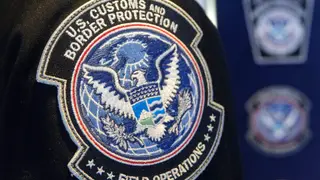
A civil rights lawsuit challenges the U.S. government's authority to search travelers' phones without warrants at border crossings, citing a constitutional exception that permits warrantless searches of people and belongings entering the country. The plaintiff alleges that customs agents confiscated his phone for 45 minutes and copied sensitive data related to his immigration advocacy work. The case highlights ongoing concerns about the extent of law enforcement powers at borders and potential targeting based on political activity.
Kennedy's legal challenge centers on a constitutional loophole that grants law enforcement broad authority to examine travelers' phones and other devices at U.S. entry points without judicial oversight. The plaintiff contends that agents seized his device for nearly an hour, during which sensitive materials related to his work with immigrant advocacy organizations were accessed. He asserts that his detailed inquiries about his employment suggest he may have been singled out because of his professional involvement in immigration rights activism.
According to government figures, such device inspections remain uncommon relative to total border traffic, affecting fewer than 0.002 percent of international arrivals annually. However, Kennedy argues this particular search violated constitutional protections and may represent selective enforcement targeting his political expression and advocacy activities.
This case may shape how courts balance national security interests with individual privacy rights in the digital age. If courts rule against the government, policies governing device searches at borders could face significant revision, potentially affecting how agencies conduct security screening. Conversely, an unfavorable ruling for Kennedy might reinforce existing authority. The outcome could also influence public awareness about travelers' limited legal protections when crossing international borders, affecting civil liberties advocacy and individual behavior at ports of entry.