Researchers develop body-tissue communication system for coordinating medical implants
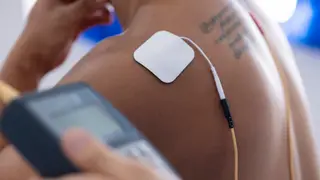
Georgia Tech engineers have created SWANS, a networking system that allows medical implants like pacemakers and insulin pumps to communicate through body tissue using ionic conduction rather than radio waves. The approach addresses significant limitations of existing wireless protocols by dramatically reducing power consumption, improving signal transmission through tissue, and enabling smaller implants that can be delivered via injection rather than surgery. The system mimics the body's own neural communication pathways to establish a local network among multiple implanted devices.
The Georgia Tech innovation addresses fundamental engineering obstacles that have limited implant coordination. Traditional wireless technologies drain batteries rapidly when maintained in responsive states and struggle to penetrate biological tissue effectively beyond minimal distances. Additionally, the antenna requirements of conventional radio protocols constrain device dimensions, necessitating surgical implantation rather than minimally invasive injection procedures.
The SWANS system distributes processing intelligence to an external wearable component while keeping implanted units minimal. Individual implants are programmed to activate selectively based on voltage thresholds, enabling multiple devices to receive the same signal while responding only to their designated communication. This addressing mechanism allows a single transmission to coordinate distinct functions across the implanted network.
This development may significantly expand medical implant applications by enabling coordinated multi-device therapies that currently require surgical complexity or don't exist. Patients with chronic conditions could potentially benefit from more sophisticated treatment monitoring and intervention. However, questions remain regarding long-term tissue compatibility, regulatory approval timelines, and accessibility. The technology's practical impact will depend on successful clinical trials and whether the approach proves cost-effective compared to existing alternatives for various medical scenarios.