FCC chair dismisses concerns over government-funded Trump advertising campaign
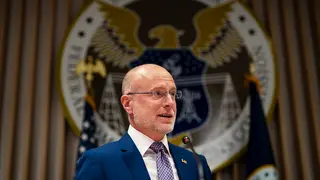
Federal Communications Commission Chair Brendan Carr stated that pro-Trump television advertisements paid for with government funds do not warrant FCC review, characterizing them as routine public service announcements. The ads have faced criticism from advocacy groups and Democratic officials who contend they constitute government-funded political messaging close to an election. A Democratic FCC commissioner expressed concern that taxpayer dollars were being used to promote a political message, while some Republican senators have also questioned the use of federal funds for the advertising.
The controversy centers on television advertisements promoting the Trump administration that were created and distributed using federal government funding. Multiple political figures and watchdog organizations have raised objections to this arrangement, arguing that public money should not be used to finance messaging that benefits a sitting president, especially during an election cycle. The FCC chair's dismissal of these concerns represents a significant point of disagreement within the agency itself, as the Democratic commissioner publicly stated reservations about the practice.
The dispute highlights ongoing tensions regarding the appropriate use of government resources and the distinction between legitimate public information campaigns and political promotion. Federal spending on advertising typically follows established guidelines meant to ensure taxpayer funds serve nonpartisan purposes, making the allocation of resources for these particular ads a matter of procedural and ethical debate among lawmakers from both parties.
This situation could affect public trust in federal institutions by raising questions about whether government resources are being deployed equitably across political leadership. Citizens may become concerned about precedent-setting regarding executive power to direct taxpayer funding toward promotional messaging. The bipartisan criticism suggests the issue extends beyond typical partisan divisions, potentially influencing broader debates about government accountability and fiscal oversight. The FCC's response may also impact confidence in the agency's independence and its capacity to enforce consistent standards regardless of administration.