Man Faces Decade in Prison for Sharing AI-Generated Fake Crocodile Image in Singapore
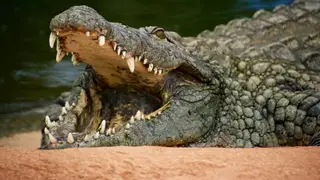
A Myanmar-born resident of Singapore was arrested after sharing an artificial intelligence-generated image of a crocodile in a public park reservoir, prompting a two-day search and closure of aquatic areas. He now faces charges of distributing false information and obstructing justice, potentially resulting in up to 10 years imprisonment and fines exceeding $7,800. The case highlights Singapore's strict penalties for spreading misinformation and the legal consequences of misusing generative AI technology.
The incident occurred when Ye Lin distributed an artificial intelligence-generated image purporting to show a crocodile at a public park reservoir. Park officials, treating the potential threat seriously, suspended water-based activities and conducted an extensive two-day search before determining the image was fabricated. The discovery prompted authorities to involve law enforcement in investigating the matter.
Lin's legal jeopardy intensified when he allegedly attempted to conceal evidence by removing the image and the generative AI tool he used to create it. Singapore's legal framework treats false information distribution and obstruction of justice as separate offenses, with penalties that can accumulate to substantial prison sentences and financial penalties exceeding several thousand dollars.
This case may signal how legal systems worldwide could adapt to regulate generative AI misuse as the technology becomes more accessible. The severe penalties may deter casual creation and sharing of synthetic misinformation, yet could also raise questions about proportionality and enforcement capabilities. The incident illustrates the tension between preventing potential public harm from false alerts and addressing what some might view as a relatively minor prank, potentially influencing how other jurisdictions develop policies around AI-generated content liability.