Federal Law Prohibits Military Presence at Polling Places, Experts Clarify
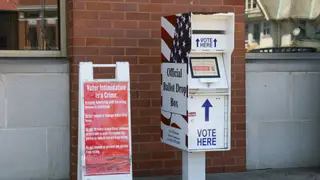
Constitutional and statutory law have prohibited military involvement in U.S. elections since 1865, with the Posse Comitatus Act of 1878 explicitly barring federal troops from law enforcement activities related to elections. The legal framework stems from historical concerns about militarized governance and the dangers to democratic processes, including the violent 1876 South Carolina gubernatorial election. Despite recent statements from the military leadership assuring no troops will be deployed to polling places in 2026, the article emphasizes longstanding legal protections against such interference.
The constitutional prohibition on military involvement in elections traces back to the nation's founding principles. The Framers, having witnessed the dangers of standing armies during British colonial rule—including the Boston Massacre—deliberately restricted military power through the Constitution. Congress, not the president, holds authority over military deployment and militia activation. This structural safeguard reflects deep historical concerns about armed forces being used to suppress civilian populations or undermine democratic processes.
The 1876 South Carolina gubernatorial election provided concrete evidence of these risks. When troops occupied polling locations and the state house during that election, the result was violent chaos rather than democratic legitimacy. Congress responded two years later with the Posse Comitatus Act, creating explicit statutory prohibition on federal troops conducting law enforcement activities without Congressional authorization, effectively barring military presence at elections.
Recent presidential statements about military deployment to polling places have renewed attention to these longstanding protections. Military leadership's formal assurances may reassure some citizens about election integrity, while others may view such reassurances as necessary only because fundamental guardrails face questioning. The legal and historical framework presented could shape public debate about whether existing safeguards are adequately enforced, or whether additional legislative clarification might be warranted to address contemporary political circumstances.