Expert Argues 2001 Military Authorization Should Be Repealed After 25 Years of Expansion
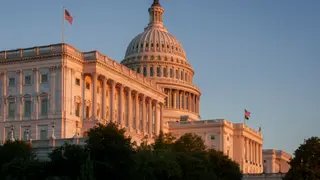
The 2001 Authorization for Use of Military Force, enacted after the September 11 attacks, has been stretched far beyond its original scope to justify ongoing military operations against groups that did not exist at the time of the attacks. Successive administrations have used the AUMF to wage indefinite global conflict without meaningful congressional oversight or foreseeable conclusion, despite the defeat of the original target, al Qaeda. The article calls for repeal of the authorization to end what is now the longest war in U.S. history and restore proper constitutional checks on executive war-making powers.
The 2001 AUMF was drafted as a narrow response to the September 11 attacks, yet has been interpreted over the past quarter-century to permit military action against adversaries that did not exist in 2001. While al Qaeda—the original justification for the authorization—has been substantially defeated, the legal authority continues to underpin ongoing military operations globally. Representative Barbara Lee's lone dissenting vote proved prescient; she foresaw that the resolution's broad language would enable prolonged executive action without defined endpoints.
The authorization's scope expanded dramatically through successive administrations, particularly regarding detention and surveillance practices. Approximately 800 detainees were sent to Guantanamo Bay, many based on circumstantial evidence or mistaken identity rather than direct involvement in attacks. Though hundreds were eventually released, some individuals remain imprisoned decades later without formal charges, while targeted killing operations initiated under one administration were significantly expanded under the next, demonstrating how the AUMF's vague parameters enabled increasingly expansive interpretations.
Repeal could reshape the constitutional balance between presidential and congressional war powers, potentially requiring explicit legislative authorization for each military engagement rather than relying on a 25-year-old blanket authorization. Such a change may affect ongoing operations globally and could influence detention policies at facilities like Guantanamo. Conversely, opponents might argue repeal complicates counterterrorism efforts and national security responses. The debate touches fundamental questions about democratic accountability, executive discretion, and institutional checks in matters of military force.