Washington Grants One-Month Operating Extension for Serbia's Russian-Owned Refinery
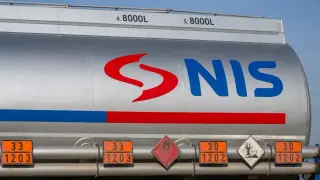
The United States Treasury Department extended a sanctions waiver through October 30 allowing Serbia's majority Russian-owned oil company NIS to continue operating the country's sole refinery and importing crude oil. Negotiations are ongoing between American officials and Hungary's MOL energy group regarding the potential sale of Russia's controlling 56 percent stake in the company. The waiver maintains Serbia's fuel supply chain while diplomatic efforts to remove Moscow's ownership continue.
The US Treasury Department's decision to extend the operating waiver reflects ongoing diplomatic complexity surrounding Serbian energy infrastructure. NIS operates Serbia's only refinery at Pančevo, making it strategically vital for the country's fuel supply chain. The refinery has faced operational challenges from multiple factors including high fuel prices, logistical constraints, and reduced Danube water levels affecting crude oil imports. Serbia's government owns approximately 30 percent of NIS while Russian entities Gazprom Neft and Gazprom maintain controlling interest at 56 percent, with remaining shares distributed among minority stakeholders and employees.
Negotiations between US officials and Hungary's MOL energy group represent an attempt to transfer Russian ownership without destabilizing Serbian fuel markets. Belgrade has pursued interim measures including diesel releases from state reserves to manage supply pressures during the approach to winter heating season. The month-to-month extension pattern indicates negotiations require continued time before resolution, leaving Serbia in a temporary operational status dependent on periodic US approval.
The extended waiver could help Serbia maintain fuel availability during winter months, potentially preventing market disruptions that might affect heating and transportation. However, the ongoing uncertainty surrounding NIS ownership may create instability for long-term energy planning. The situation illustrates how European energy infrastructure intersects with geopolitical pressures, where Serbia must balance Western sanctions compliance against domestic fuel security needs. Resolution of the MOL acquisition could signal broader patterns of Western efforts to reduce Russian economic influence in Central Europe.