New York City Mayor Receives Federal Security Clearance Nine Months Into Term
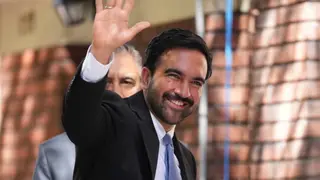
New York City Mayor Zohran Mamdani received his federal security clearance, allowing him to access classified documents for the first time since taking office. The clearance came nine months after Mamdani began his tenure, a timeline consistent with federal government averages, though longer than the agency's 114-day target. The timing coincided with a high-profile meeting between Mamdani and President Trump at Gracie Mansion during the United Nations General Assembly.
New York City Mayor Zohran Mamdani's nine-month wait for federal security clearance reflects broader challenges within the federal clearance system. According to a recent Government Accountability Office report, federal agencies averaged just under seven months to process 90 percent of similar clearances during the second half of fiscal 2025, substantially exceeding the government's target of 114 days. During the interim period, Mamdani relied on New York Police Department briefings rather than accessing classified federal documents directly.
The timing of Mamdani's clearance approval followed a notable White House meeting with President Trump at Gracie Mansion during the recent United Nations General Assembly. The clearance process unfolds against a backdrop of heightened political tension, as Trump has previously revoked security credentials for New York Attorney General Letitia James and Manhattan District Attorney Alvin Bragg, citing lack of respect and concerns about legal violations.
A mayor's access to classified intelligence could influence municipal security planning and emergency preparedness. The nine-month delay may have constrained Mamdani's ability to respond effectively to certain threats or coordinate with federal agencies on sensitive matters affecting the city. Conversely, timely clearance access could strengthen federal-local coordination on counterterrorism and public safety. The political dimensions—particularly the contrast with clearance revocations of other New York officials—may shape public perception of executive decision-making in security matters.